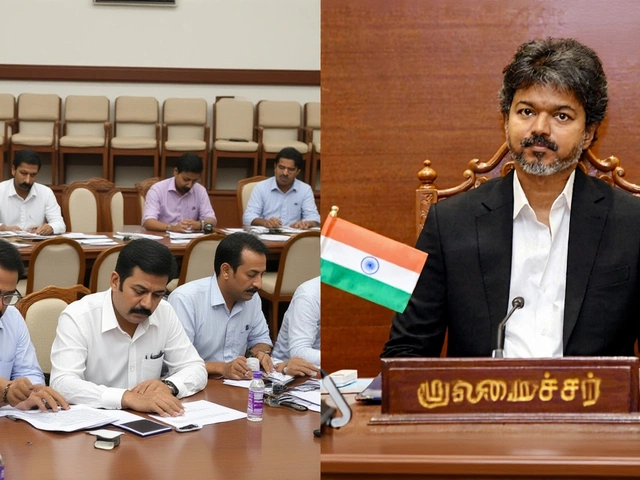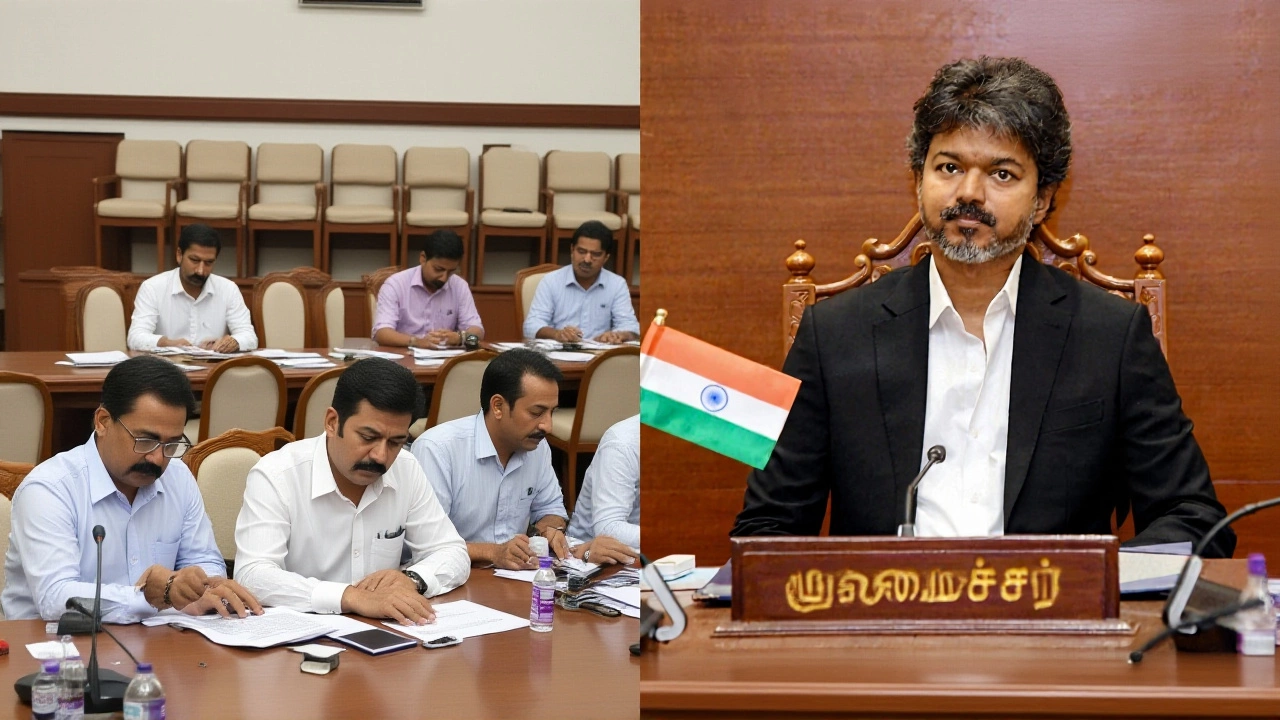
When Vijay, Chief Minister of Tamil Nadu, took the oath of office, he didn't waste time with ceremonial speeches. Instead, he dropped a bombshell that sent shockwaves through the state’s bureaucracy and police force. In his very first days in power, the former superstar turned politician announced the creation of a dedicated women's safety unit and launched a no-nonsense crackdown on corruption.
The move comes at a critical juncture for Chennai, the state capital, where public trust in law enforcement has been under scrutiny. Here’s the thing: this isn’t just another political promise. It’s an operational shift designed to change how citizens interact with the police overnight.
The 'Lioness' Unit Hits the Streets
The centerpiece of Vijay’s early agenda is the Singappen Special Force. The name itself carries weight—derived from the Tamil word for 'lioness,' it signals aggression against those who prey on the vulnerable. This isn't a desk job. These officers are hitting the ground running, patrolling busy markets, bus stands, and crowded transit hubs across the state.
But wait, there’s more to the strategy than just visibility. The Chief Minister has ordered that CCTV cameras at every police station must run 24/7. More importantly, the entire process of registering a complaint will now be video-recorded. Why? To eliminate the old excuse of "lost files" or delayed action. If you file a complaint, it happens on camera. That simple change could drastically reduce police apathy toward crimes against women and children.
"I assure every woman in this state that their safety is my top priority," Vijay stated during his address. "Action against crimes targeting women will be immediate."
A War on Corruption and Drugs
While women’s safety grabs headlines, the financial angle might hit closer to home for everyday residents. Vijay acknowledged the elephant in the room: Tamil Nadu is sitting on a debt mountain estimated at ₹10 lakh crore (roughly $12 billion). With such a fiscal burden, wasting public money on bribery is simply not an option.
To combat this, the government introduced a whistleblower reward system. Citizens who provide evidence of officials demanding bribes can receive up to ₹1 lakh ($1,200). A dedicated 24-hour helpline, number 188425155, was activated immediately. The message is clear: even if the bribe demand is small—say, ₹1,000—you report it, and you get rewarded.
On the drug front, the approach is equally aggressive. New anti-drug squads have been formed in every district. But here’s the twist: the government isn’t just arresting dealers; they’re seizing assets. Properties linked to drug peddlers operating near schools and colleges are being confiscated. This mirrors tactics seen in other Indian states like Uttar Pradesh, where asset seizure has become a key tool in dismantling criminal networks.
Political Context and Public Reaction
Vijay, whose full name is C. Joseph Vijay, leads the Tamilaga Vettri Kazhagam (TVK) party. Winning 108 seats in the recent assembly elections gave him a strong mandate, but also high expectations. The transition from Bollywood star to Chief Minister has been swift, characterized by decisive, populist measures.
Early actions include providing free electricity up to 200 units per month for domestic consumers—a massive welfare announcement aimed at securing rural support. Simultaneously, bulldozers were deployed in the Penumbra area of Chennai to clear illegal encroachments, paving the way for new infrastructure projects within days.
The international community has taken note too. Malaysian Prime Minister Anwar Ibrahim recently called Vijay to discuss India’s role in the upcoming BRICS Summit, signaling that despite his celebrity background, he’s being treated as a serious geopolitical player.
What Experts Are Saying
Political analysts suggest that while these measures are popular, implementation will be the true test. "The video recording of complaints is a bold step," notes one security expert. "But it requires robust data storage and privacy protocols. If done right, it sets a national precedent."
Critics, however, warn about the sustainability of the free electricity scheme given the state’s debt load. They argue that without structural economic reforms, the fiscal deficit could worsen in the long run.

What’s Next?
The next three months are crucial. Vijay has promised visible changes in government offices regarding corruption. If the Singappen Force can deliver quick justice in high-profile cases, public confidence will soar. If not, the novelty may wear off quickly.
Residents should watch for two things: the actual deployment speed of the special force and the first few whistleblower payouts. Those will be the real indicators of whether this is genuine reform or just political theater.
Frequently Asked Questions
What is the Singappen Special Force?
The Singappen Special Force is a dedicated women's safety unit launched by Tamil Nadu Chief Minister Vijay. Named after the Tamil word for 'lioness,' its members patrol crowded areas like markets and bus stands to ensure rapid response to crimes against women and children.
How does the new anti-corruption reward system work?
Citizens who provide concrete evidence of government officials demanding bribes can receive a reward of up to ₹1 lakh. Complaints can be filed via a dedicated 24-hour helpline (188425155). This applies even to small bribe demands, aiming to deter petty corruption.
Why are police station complaints being video-recorded?
To increase accountability and prevent negligence. By mandating video recording of the entire complaint registration process, the government aims to stop delays, lost files, and police apathy, ensuring that every case is officially logged and tracked from the start.
What is the status of the free electricity scheme?
Chief Minister Vijay has announced free electricity for domestic consumers up to 200 units per month. This is part of his initial welfare package, though critics warn it may strain the state's already high debt levels of approximately ₹10 lakh crore.
How is the government tackling drug trafficking near schools?
New anti-drug squads have been established in every district. Beyond arrests, the government is seizing properties and assets of individuals involved in buying or selling drugs near educational institutions, using strict legal frameworks like the Goonda Act.