When Debanshu Panda, candidate for the Bharatiya Janata Party (BJP), secured a landslide victory in the Falta assembly constituency repoll, it wasn't just another election result—it was a seismic shift in West Bengal's political landscape. The win, declared after 22 rounds of counting on May 4, 2026, saw Panda defeat his closest rival by over 109,000 votes, shattering long-standing strongholds held by leftist and regional parties.
The twist? This wasn’t even the original vote. After irregularities were reported during the initial poll on April 29, the Election Commission of India (ECI) ordered a full repoll across all 285 booths in the constituency. What followed was one of the most watched electoral events in recent memory, with central forces deployed to ensure fairness and voter turnout soaring to 88.13%—up from 86% in the first attempt.
A Seat That Changed Hands
Falta, located in the South 24 Parganas district under the Diamond Harbour subdivision, has historically been a fortress for the Communist Party of India (Marxist) and later the All India Trinamool Congress (TMC). In the last regular election, TMC candidate won with 117,179 votes—a commanding 56.4% share—and a margin of nearly 20%. But this time, the script flipped dramatically.
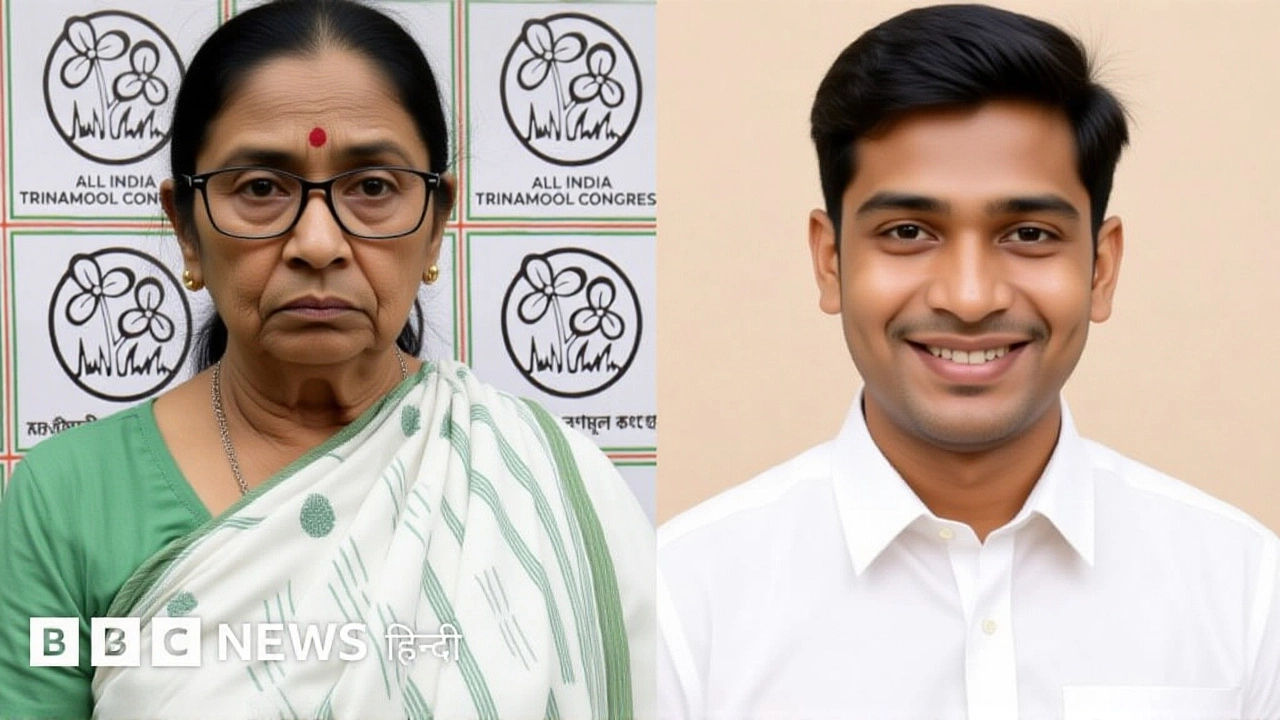
Panda’s opponent, Shambhunath Kurmi of the CPI(M), managed only 34,873 votes. Even more telling: Jahangir Khan, the TMC nominee who withdrew just before voting but remained on the ballot, scraped together a mere 5,319 votes. Congress’ Abdur Razzaq Molla fared slightly better at 9,284—but still nowhere near competitive.
Here’s the thing: when you look at the round-by-round count, the lead grew steadily. By the seventh round, Panda had built a 26,339-vote advantage. By the thirteenth, that gap widened to 87,367. And by the sixteenth, he’d already crossed 111,270 votes—enough to declare victory before official results were finalized.
Why Did Voters Turn?
Analysts point to several factors. First, anti-incumbency sentiment against the ruling TMC government led by Mamata Banerjee had been simmering for years. Second, the BJP’s ground-level campaign focused heavily on welfare schemes delivered by the central government—Ayushman Bharat, PM Awas Yojana, and direct benefit transfers—which resonated deeply in rural areas like Falta.
But wait—there’s also the element of trust. With the ECI ordering a complete repoll and deploying paramilitary forces to monitor polling stations, voters felt their ballots would actually count. “For many people here,” says local journalist Rakesh Chatterjee, “this was the first time they believed the system might work fairly.”
Interestingly, no major incidents of malpractice were reported during the repoll. Chief Electoral Officer of West Bengal confirmed peaceful proceedings, noting that security arrangements were robust and transparent. That alone may have boosted confidence among undecided voters.
Reactions From Both Sides
In the BJP camp, celebrations erupted almost immediately. Senior leader Suvendu Adhikari, often referred to as the party’s face in West Bengal, hailed the win as proof of public mandate shifting toward New Delhi-aligned policies. “This isn’t just about Falta,” he said in a press statement. “It’s a message to every corner of the state.”
Meanwhile, the TMC struggled to respond. Jahangir Khan’s withdrawal days before polling created confusion, and despite remaining on the ballot, his performance reflected deep disconnection from grassroots support. Party sources privately admitted internal discord over strategy and candidate selection played a role.
CPI(M), meanwhile, faced existential questions. Once dominant in southern Bengal, the leftists now find themselves irrelevant in key constituencies. Their failure to mobilize even 35,000 votes in a traditionally red area signals deeper organizational decay than anyone anticipated.
What Comes Next?
The implications ripple far beyond Falta. If similar trends emerge in other contested seats, the balance of power in the state legislature could tilt significantly ahead of future elections. National parties are already studying these patterns closely.
Experts warn that if the BJP can replicate this model elsewhere—combining centralized messaging with localized outreach—they could challenge TMC’s hegemony across multiple districts. Conversely, if TMC fails to adapt quickly, its grip on rural heartlands may continue slipping.
As for Panda himself, analysts expect him to play a pivotal role in shaping policy discussions around agriculture, infrastructure development, and employment generation in coastal regions. His background as an engineer-turned-politician gives him credibility among younger demographics seeking pragmatic solutions rather than ideological rhetoric.
Historical Context & Future Implications
To understand how extraordinary this upset is, consider where we started. Just five years ago, Falta was considered untouchable for non-leftist candidates. Then came the rise of TMC, which absorbed much of the former CPI(M) base through charismatic leadership and populist measures.
Yet today, neither legacy party holds sway anymore. Instead, a new dynamic emerges—one driven by national integration, economic aspirations, and demand for accountability. Whether this reflects temporary dissatisfaction or permanent realignment remains to be seen.
One thing is certain: whatever happens next, Falta will remain a bellwether for understanding changing attitudes in eastern India. And given current trajectories, expect more surprises coming soon.
Frequently Asked Questions
Who won the Falta assembly seat repoll?
Debanshu Panda of the Bharatiya Janata Party (BJP) won decisively, securing approximately 111,270–149,000 votes depending on source estimates. He defeated Shambhunath Kurmi of CPI(M) by over 109,000 votes, marking a historic reversal in a previously left-leaning constituency.
Why was there a repoll in Falta?
The Election Commission of India ordered a full repoll due to allegations of irregularities during the original voting held on April 29, 2026. Central forces were deployed to oversee the re-polling process conducted on May 21, ensuring transparency and preventing any misconduct.
How did voter turnout compare between the two polls?
Turnout increased slightly—from 86% in the initial poll to 88.13% in the repoll. Despite concerns about potential disruption, the exercise proceeded peacefully without reports of violence or fraud, according to officials.
What does this mean for TMC and CPI(M)?
Both parties suffered heavy losses. TMC’s withdrawn candidate received fewer than 5,500 votes, while CPI(M) failed to cross 35,000. These figures suggest declining influence in traditional bastions and highlight growing appeal of national platforms offering tangible benefits.
Will this affect upcoming elections in West Bengal?
Likely yes. Analysts view Falta as a test case for broader shifts in voter behavior. If replicated across other constituencies, it could weaken incumbent dominance and strengthen opposition alliances preparing for statewide contests.